
 inglese


TNT · History
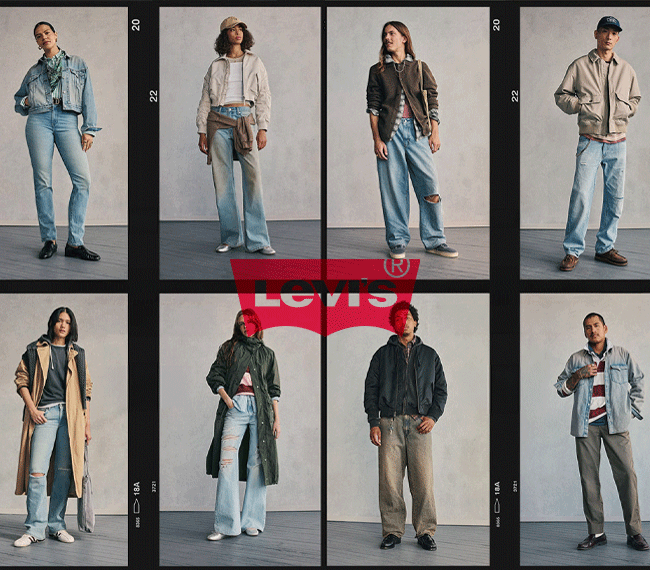


Jeans are the most democratic garment there is: workers and designers, cowboys and students all wear them. But where do they really come from? At TNT – say it like the dynamite – we have had our hands on denim every day since 1992 in our concept store in Martina Franca, Italy. Here is the whole story, from 16th-century ports to Japanese looms, with the little facts we share in store whenever someone asks why their jeans fade exactly there.
The word denim comes from the French «serge de Nîmes», the twill of Nîmes, a town in southern France. The word jeans takes us to Genoa instead: in the 16th century a sturdy fabric called «jean» shipped out of the city, and Gênes, the French name for Genoa, gave us the word we still use today.
Two cities, one garment: denim is the fabric, jeans are the trousers it gave birth to.
Denim is a warp-faced twill: the weft yarn passes under two or more warp yarns, which creates the diagonal lines you see when you look closely. The warp is dyed with indigo while the weft stays white – that is why the inside of your jeans is pale.
Indigo used to come from plants (Indigofera or woad); today it is almost always synthetic. The colour sits on the surface of the yarn and never reaches the core: this is called ring dyeing. It is why jeans fade where you use them most – knees, seams, pockets – and slowly take the shape of whoever wears them.
Then there is selvedge: the clean, closed edge created when the weft turns back on an old shuttle loom. These looms weave cloth about 76 cm (30 inches) wide, against 150 cm and more on modern looms. Turn up the hem: if you find a neat edge, often with a coloured thread, you are holding selvedge denim.
Levi Strauss, a Bavarian merchant, arrived in San Francisco in 1853 at the age of 24. One of his customers was Jacob Davis, a tailor with a simple idea: put metal rivets at the points where work trousers tore. Davis suggested they patent it together.
On 20 May 1873 US patent no. 139,121 was granted – the date Levi Strauss & Co. considers the birth of the blue jean. Yet for almost a century nobody called them jeans: until 1960 they were «waist overalls». It was the baby boomers who made the word jeans stick.
The first model had a single back pocket, a watch pocket, a cinch at the back, suspender buttons and a crotch rivet. The fabric was «XX» denim from the Amoskeag Mill.
20 May 1873, patent no. 139,121: the birthday of the blue jean.
The 501 is the jean that set the rules. Every detail we now take for granted has a precise date:
| Year | What changed |
|---|---|
| 1886 | The «Two Horse» leather patch: two horses pulling a pair of jeans without tearing them |
| about 1890 | The model gets lot number 501 |
| about 1901 | A second back pocket appears |
| 1922 | Belt loops are added |
| 1936 | The Red Tab on the right back pocket, to tell them apart from imitations |
| 1937 | Back rivets covered: they scratched furniture and saddles |
| 1943 | The Arcuate, the double arched stitching on the pockets, becomes a registered trademark |
| 1954 | The 501Z with a zip, for East Coast customers unfamiliar with a button fly |
| 1966 | Back rivets replaced by bar tacks |
| 1971 | The Red Tab now reads «LeVI’S» |
| 1981 | The first 501 for women |
Source: History of Levi’s 501 Jeans, Levi Strauss & Co.
In 1934 came Lady Levi’s (Lot 701), the first jeans made just for women, designed for guests at the dude ranches of the West. In 1935 even Vogue wrote about them.
In the 1950s cinema changed everything: Marlon Brando in «The Wild One» (1953) and James Dean in «Rebel Without a Cause» (1955) turned jeans into a symbol of rebellion. From workwear to the flag of a generation.
In the late 1970s jeans moved into fashion with designer jeans: Gloria Vanderbilt signed hers with a swan. In 1980 the Calvin Klein ad with Brooke Shields and the line «Nothing comes between me and my Calvins» became legendary.
The 1980s were also the years of stone wash. Who invented it? It is disputed: it is credited to the Canadian brand GWG, with Donald Freeland in Edmonton in the early 1980s, while Japan’s Edwin claims its own Stone Wash from 1980. In short, there is no single inventor.
In post-war Japan the jeans worn by American soldiers were called «jiipan», from G.I. pants. In 1947 Edwin was founded in Tokyo – its name is an anagram of DENIM. By 1967 Japan was making its own denim, machinery and zips, and jeans sales grew from 7 million pairs in 1969 to 45 million in 1973.
In the 1980s Japanese brands studied vintage 501s and brought back selvedge and old shuttle looms. Today Kojima, in Okayama prefecture, even has a Jeans Street with a museum dedicated to jeans.
After the skinny years, very different fits now live side by side: cropped, relaxed, mom, boyfriend, wide leg – and low rise and Y2K style are back. Our advice never changes: start with the fit that makes you feel good, then choose the wash. Not sure about your size? Check our jeans size guide, or come and see us at the temple of denim in Martina Franca.
 Levi’s 501 Original
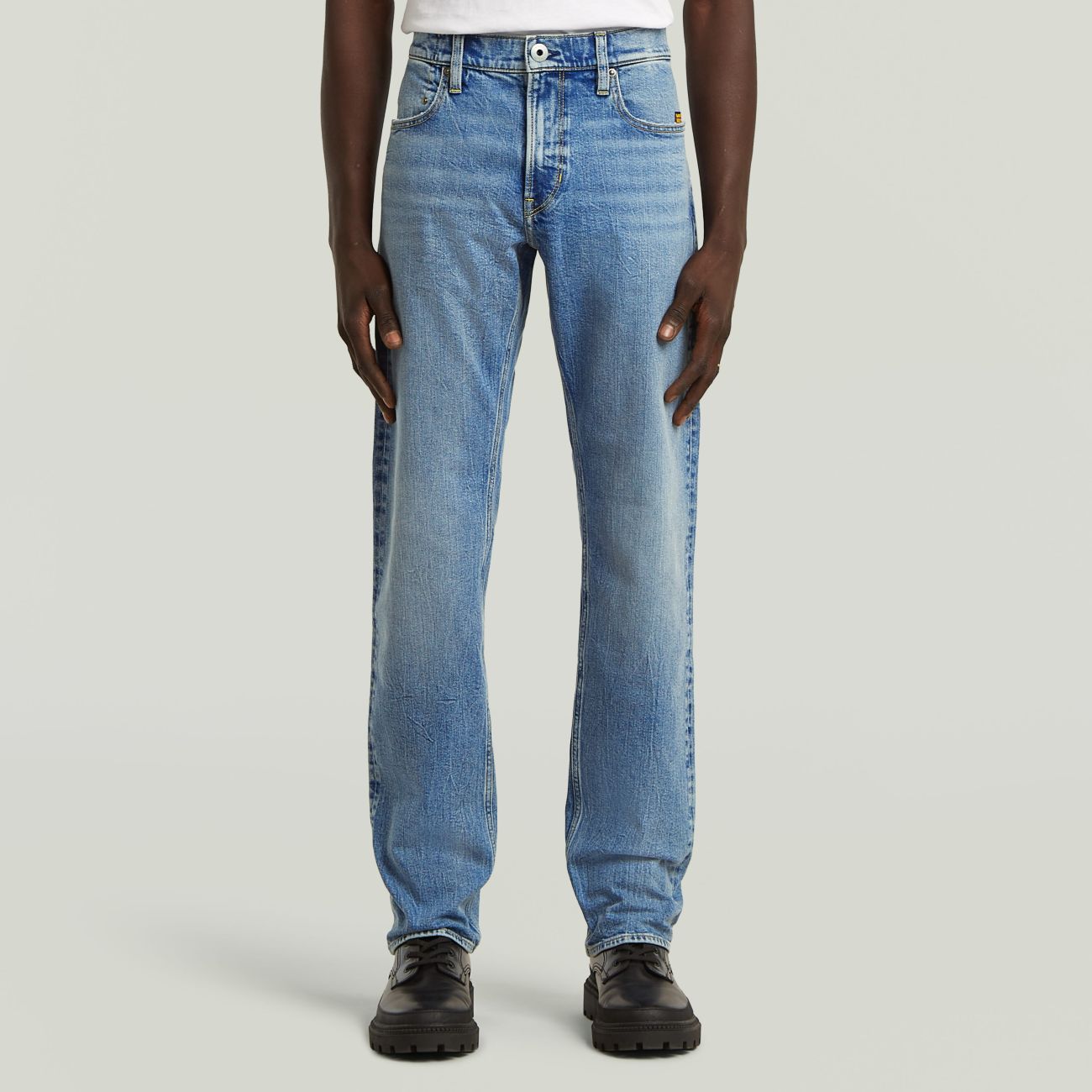 G-Star Mosa Straight
 Replay Grover
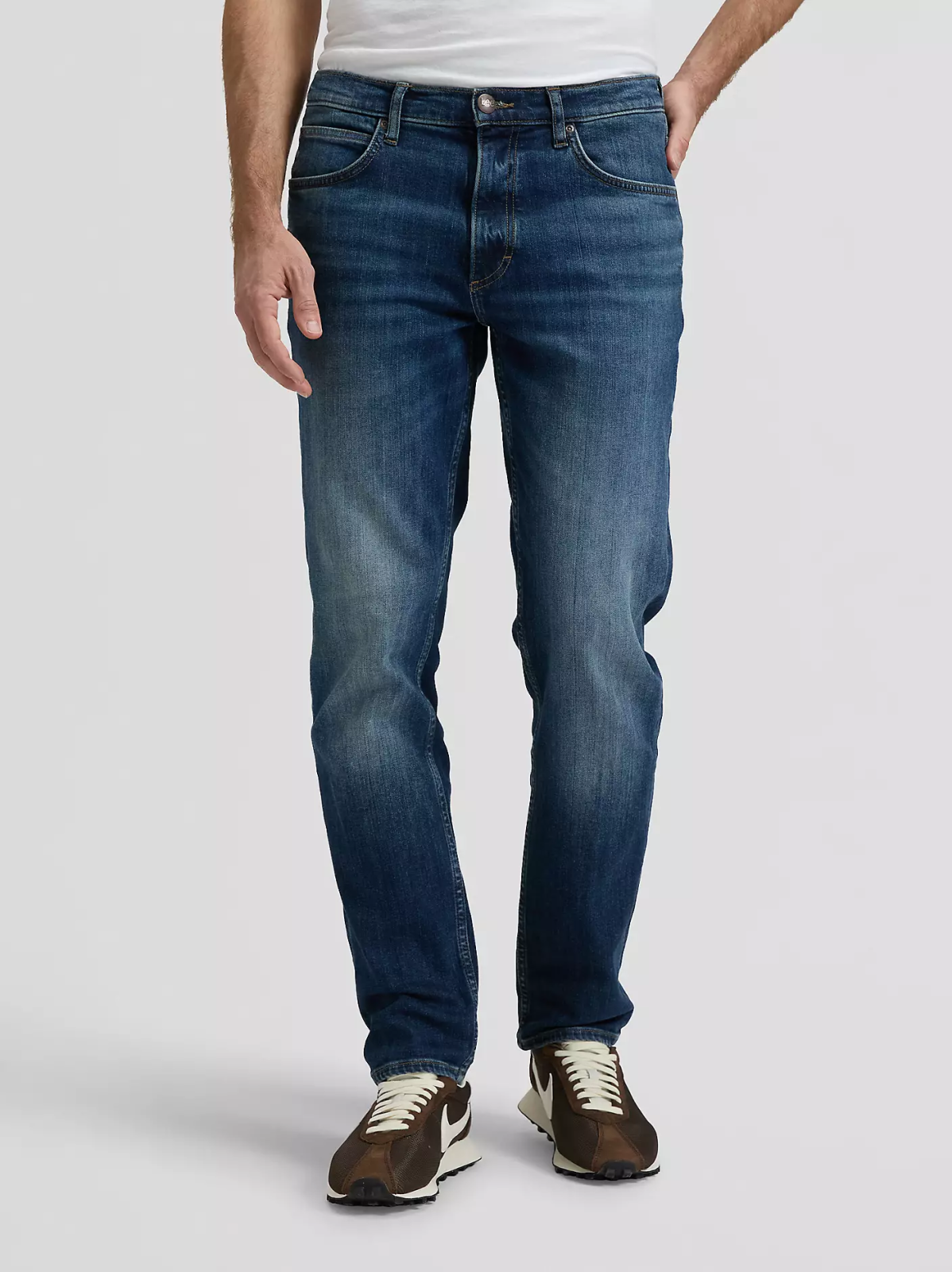 Lee David
 Levi’s 728 Wide Leg
 Diesel 2017 Slandy
 Wrangler World Wide
 Guess Jeans G09 Bootcut
Shop with peace of mind at TNT
From the French «serge de Nîmes», the twill of Nîmes. The word jeans comes from Gênes, the French name for Genoa, where the «jean» fabric was shipped from in the 16th century.
On 20 May 1873, with US patent no. 139,121 granted to Levi Strauss and Jacob Davis for work trousers reinforced with rivets.
Denim woven on old shuttle looms: it has a closed edge (selvedge) you can see when you turn up the hem. The cloth is about 76 cm wide, against 150 cm and more on modern looms.
Read also
The temple of denim · Jeans size guide · Levi’s · Edwin
Sources: Wikipedia – Denim · Wikipedia – Jeans · Levi Strauss & Co. – The history of denim · History of Levi’s 501 Jeans (PDF) · Levi Strauss & Co. – 80 years of women’s jeans · Encyclopedia.com – Designer jeans · EDWIN – Company history · Japan House LA – Japanese denim

Italy 2-3 working days

Within 30 days of delivery

Pay Securely With PayPal

WhatsApp +39 328 032 0384

Welcome to TNT Jeanswear Research, the official online shop of our historic store in Martina Franca, a reference point for jeanswear and streetwear since 1992.
Lunedi - Sabato: 08.30-13.00 e 17.00-20.30


Indigo Srl - VAT 02516780737 - Company data - Privacy and Cookie Law
web by ATTIVA WEB