
 inglese


TNT · Brand
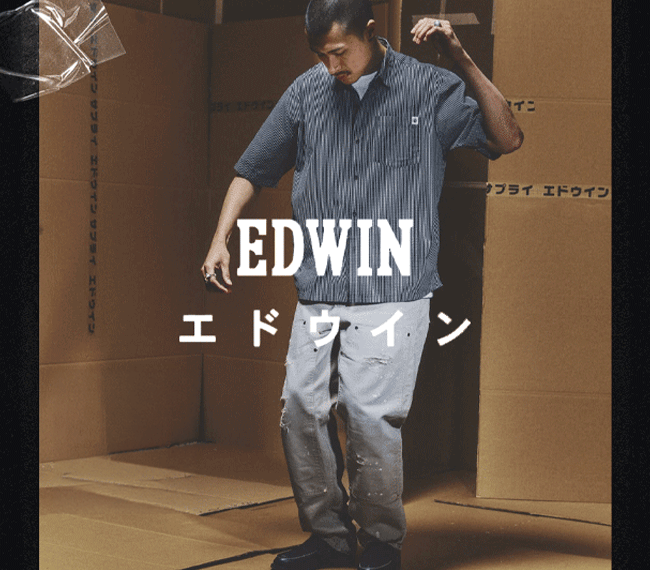


When a denim lover says «Japanese», they mean something specific: heavy fabrics, selvedge, old looms and an almost obsessive eye for detail. Edwin is one of the names that built that reputation. At TNT in Martina Franca we have stocked it for years: here is its story and the story of Japanese denim, from Tokyo to Kojima.
Edwin was born in Tokyo in 1947 as the «Tsunemi Yonehachi» shop, wholesaling used US military clothing and used jeans in Ameyoko, the Ueno market. At the time, the jeans worn by American soldiers in Japan were called «jiipan», from G.I. pants.
The name EDWIN is an anagram of DENIM. In 1961 the company began sewing jeans in Japan with imported denim.
Edwin tied its name to washes. In 1963 it launched the 359BF with the One Wash treatment, designed to remove the stiffness and shrinkage of raw denim. The hand-made Old Wash followed in 1975, and Stone Wash in 1980.
One caveat: who invented stone wash is disputed. Edwin claims its 1980 version, while the technique is also credited to Canada’s GWG, with Donald Freeland in Edmonton in the early 1980s. In 1997 came the 503, which became the brand’s best-selling line. Today Edwin is part of the Itochu group.
| Year | Milestone |
|---|---|
| 1947 | Founded in Tokyo as the Tsunemi Yonehachi shop |
| 1961 | First jeans sewn in Japan with imported denim |
| 1963 | 359BF model and One Wash |
| 1975 | Hand-made Old Wash |
| 1980 | Stone Wash |
| 1997 | The 503 is born |
Kojima, in Kurashiki in Okayama prefecture, is salty land reclaimed from the sea: in the Edo period it grew cotton, also used for ships’ sails. Later the area became the leading maker of school uniforms. When polyester arrived, Maruo Hifuku (later Big John) switched to jeans in April 1965, using American denim, rivets and machines. In 1973 Big John made jeans entirely from Japanese denim.
Today the Sanbi region produces almost 100% of Japanese denim – 23.9 million square metres in 2023 – drawing on more than 200 years of experience with heavy cotton. Kaihara, in Hiroshima, holds over 50% of the Japanese market for indigo denim. Many foreign brands produce in Kojima, which also has a Jeans Street and a jeans museum.
From cotton for ships’ sails to jeans: the story of Kojima in one line.
By 1967 Japan made its own denim, machinery and zips, and jeans sales grew from 7 million pairs in 1969 to 45 million in 1973. In the 1980s Japanese brands studied vintage American 501s and revived selvedge and old shuttle looms, which weave narrow cloth about 76 cm wide with a closed edge.
It was in this climate that Evisu was born in Osaka in 1988, founded by Hidehiko Yamane and first called «Evis». Japanese denim became a reference point for enthusiasts all over the world.
In store you will find Edwin in several models – Loose Fit, Tyrell, Cosmos, Nix – in washes from rinsed to used. Not sure about the size? Start with our jeans size guide, or come and try them at the temple of denim in Martina Franca.
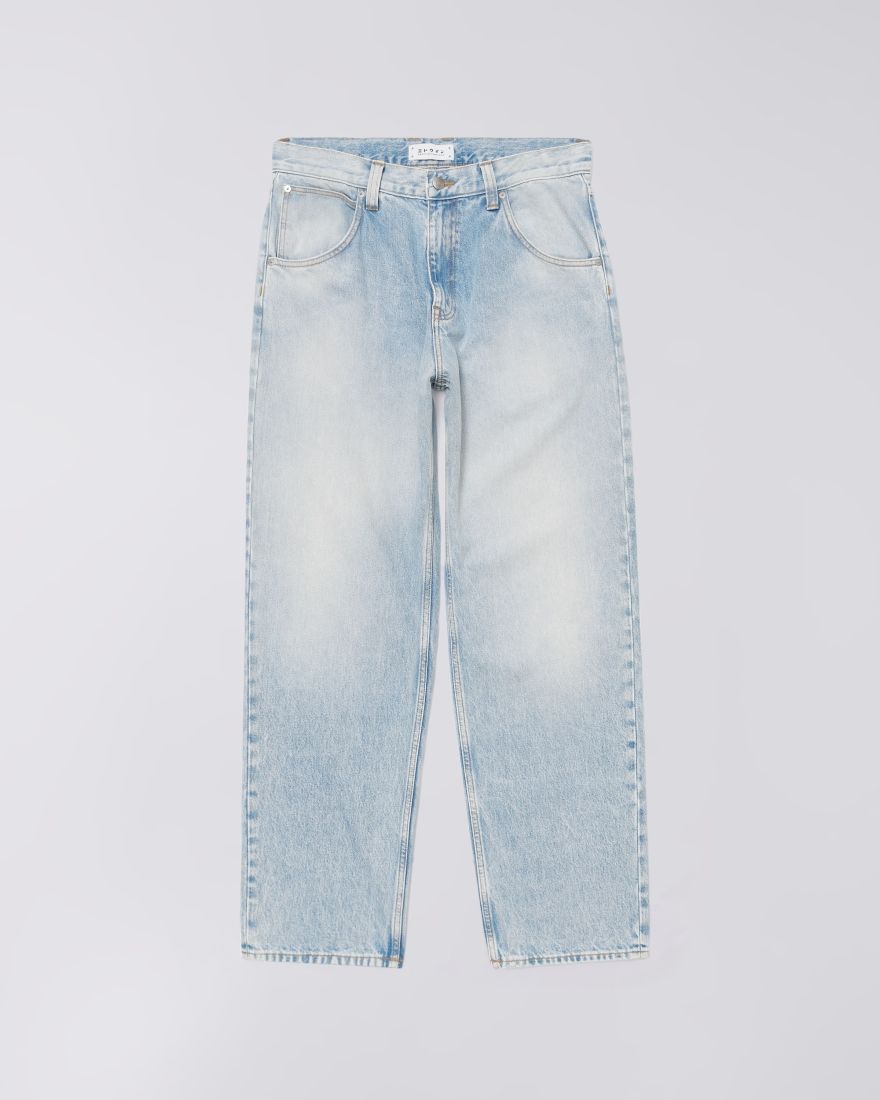 Edwin Tyrell
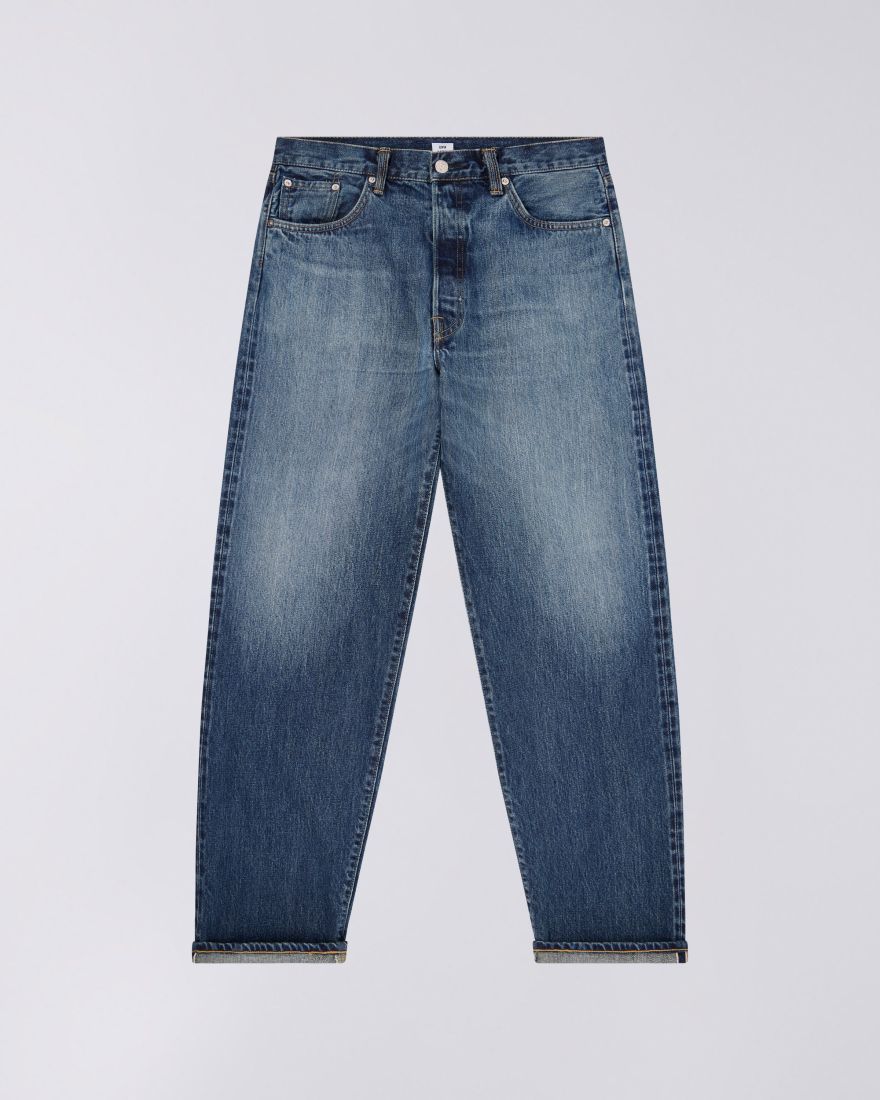 Edwin Loose Fit Dark Used
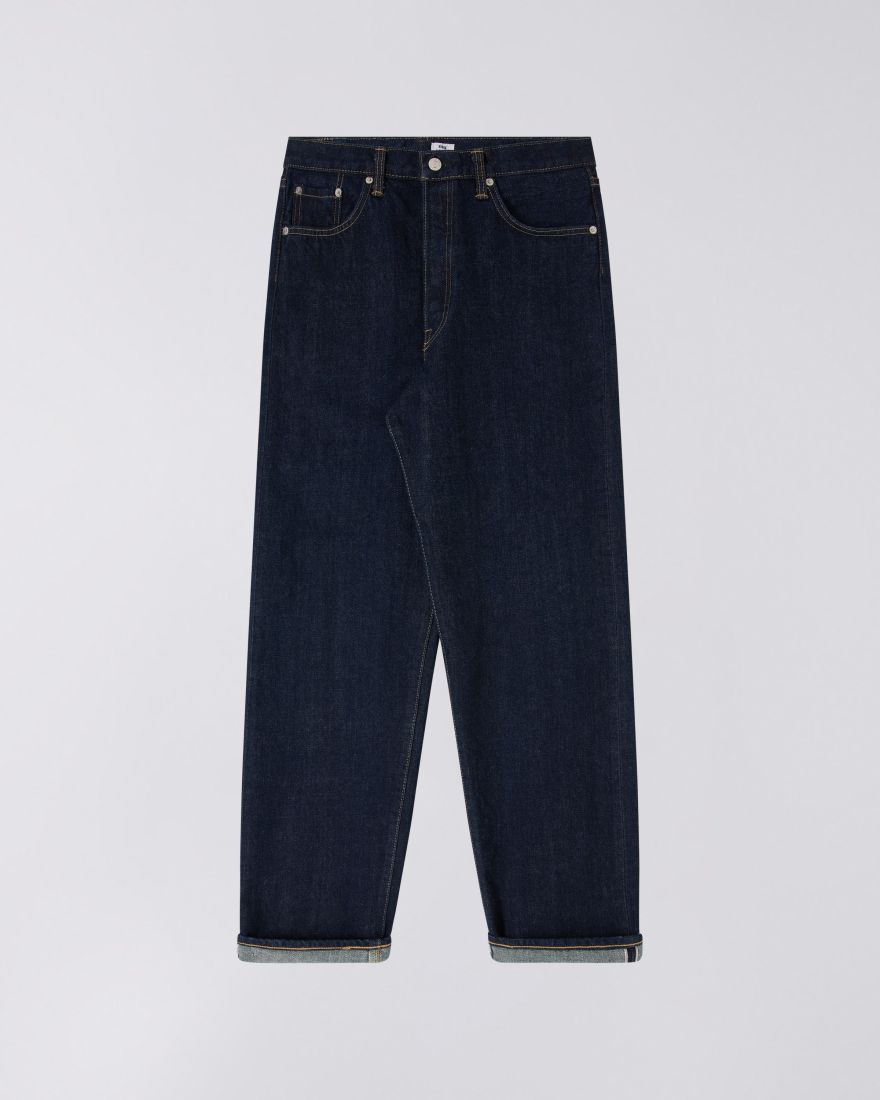 Edwin Loose Fit Japan Rinsed
 Edwin Cosmos Mid Marble
 Edwin Cosmos Horizon
 Edwin Cosmos Coffee Bean
 Edwin Loose Fit Light Used
 Edwin Nix Wash
Shop with peace of mind at TNT
Yes. Edwin was founded in Tokyo in 1947 and is now part of Japan’s Itochu group. Its name is an anagram of DENIM.
It is disputed: Edwin claims its 1980 Stone Wash, while the wash is also credited to Canada’s GWG, with Donald Freeland in Edmonton in the early 1980s.
Because of the tradition of Kojima and the Sanbi region, which produces almost all Japanese denim, and the revival of selvedge and old shuttle looms from the 1980s.
Read also
The history of denim · Lee, Levi’s and Wrangler · Levi’s fits explained · The temple of denim · Jeans size guide
Sources: EDWIN – Company history · Wikipedia – Edwin (company) · Japan House LA – Japanese denim · Nippon.com – Kojima · Wikipedia – Big John

Italy 2-3 working days

Within 30 days of delivery

Pay Securely With PayPal

WhatsApp +39 328 032 0384
Welcome to TNT Jeanswear Research, the official online shop of our historic store in Martina Franca, a reference point for jeanswear and streetwear since 1992.
Lunedi - Sabato: 08.30-13.00 e 17.00-20.30


Indigo Srl - VAT 02516780737 - Company data - Privacy and Cookie Law
web by ATTIVA WEB